




In today’s fast-paced world, it’s not uncommon to reach for a drink to unwind after a stressful day. Alcohol is often seen as a quick fix to relax or cope with stress, but its impact on both mental and physical health can be profound and harmful. Understanding these effects is important to making informed decisions about alcohol consumption, especially for those looking to improve their overall well-being.
Benefits of living Alcohol-Free:
- Reduced Inflammation: Avoiding alcohol cuts down on systemic inflammation, a key factor in chronic diseases like arthritis and heart issues, leading to less pain and better overall health.
- Liver Detoxification: Alcohol puts heavy stress on your liver, contributing to conditions like fatty liver and cirrhosis. An alcohol-free lifestyle allows your liver to recover and efficiently remove toxins, enhancing your health.
- Enhanced Hydration and Skin Health: Alcohol acts as a diuretic, which can dehydrate you and impact your skin’s appearance. Without alcohol, your skin stays more hydrated and looks healthier and more youthful.
- Improved Sleep Quality: Contrary to popular belief, alcohol disrupts sleep. Eliminating it from your routine can help you enjoy deeper, more restorative sleep.
- Enhanced Mood and Mental Clarity: Alcohol depresses central nervous system activity, clouding cognition and mood. Staying sober leads to clearer thinking and more stable emotions.
- Increased Energy and Focus: Removing alcohol from your diet often results in higher energy levels and sharper focus, making it easier to handle daily activities and pursue long-term goals.
The Deep Impact of Alcohol on Mental Health
Alcohol is a central nervous system (CNS) depressant that initially seems to lift spirits due to its sedative effects. However, this is a temporary illusion. Regular consumption disrupts the brain’s neurotransmitter balance, like serotonin and dopamine, which are vital for mood regulation. After the temporary lift, these levels often drop, leading to increased feelings of sadness, irritability, and anxiety. This makes alcohol a poor choice for long-term emotional health.
Many people struggling with mental health challenges such as depression, anxiety, or PTSD might use alcohol to numb pain or escape stress. Unfortunately, rather than providing relief, alcohol exacerbates these issues. It intensifies feelings of depression and anxiety and can make managing these conditions more challenging.
Alcohol’s Role in Bodily Inflammation
Beyond its depressant capabilities, alcohol significantly contributes to inflammation, a critical factor in both physical and mental health disorders. Drinking triggers an immune response that causes inflammation throughout the body, including in vital organs like the gut and liver, and the brain. Chronic inflammation is linked to a myriad of health problems, such as heart disease, diabetes, and autoimmune disorders, and also plays a substantial role in deteriorating mental health.
Research indicates that people with depression often exhibit higher levels of inflammatory markers. Alcohol aggravates this by boosting cytokines, proteins that mediate and regulate inflammation, thereby worsening depressive symptoms and obstructing effective treatment.
Breaking the Alcohol-Inflammation-Mental Health Cycle
This cycle of mental health challenges leading to alcohol use, which then increases inflammation and worsens mental health, creates a hard-to-break loop. Recognizing this pattern is the first step towards healing. Reducing or eliminating alcohol can significantly decrease inflammation and improve mood, energy levels, and overall mental clarity.
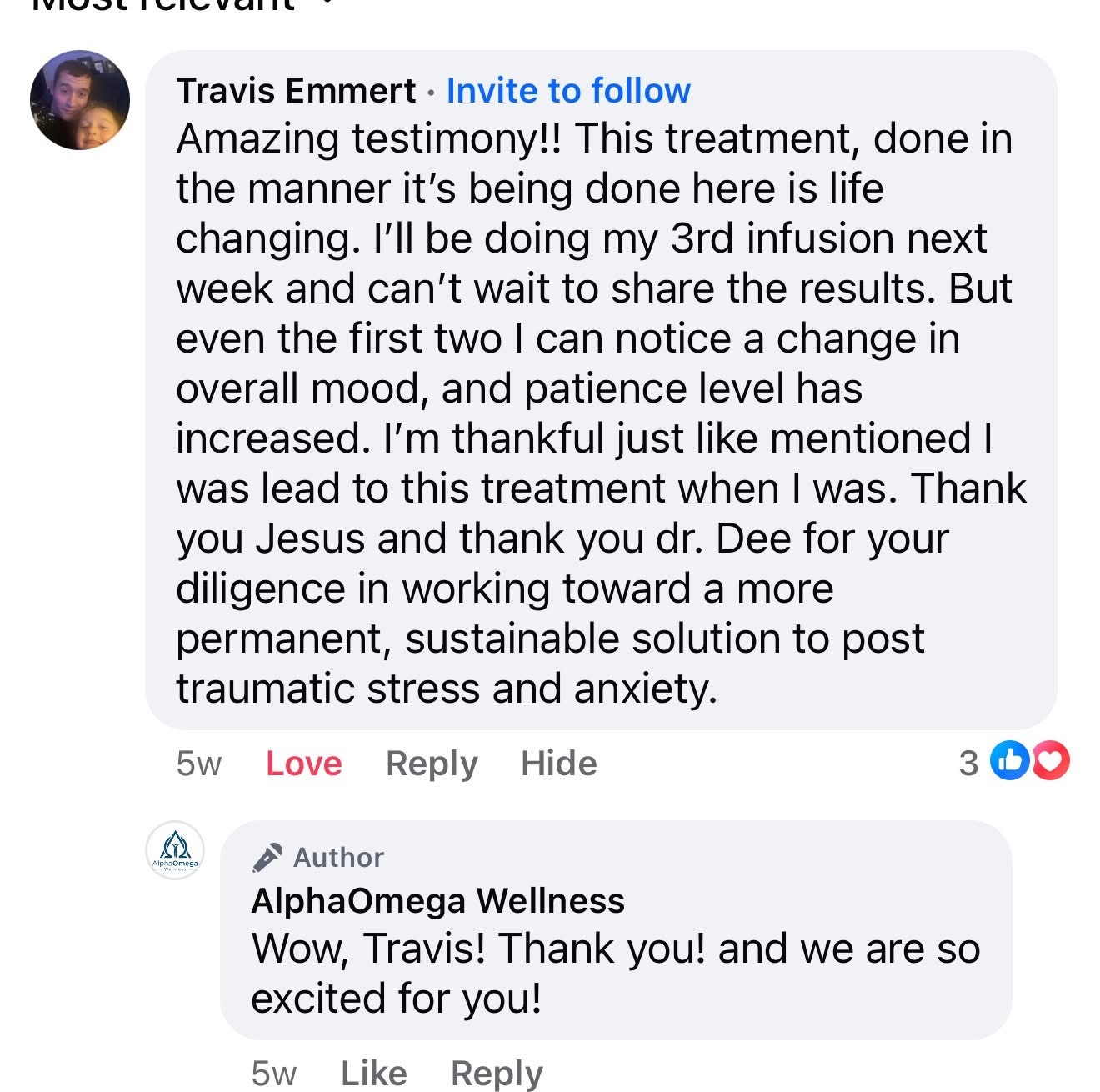
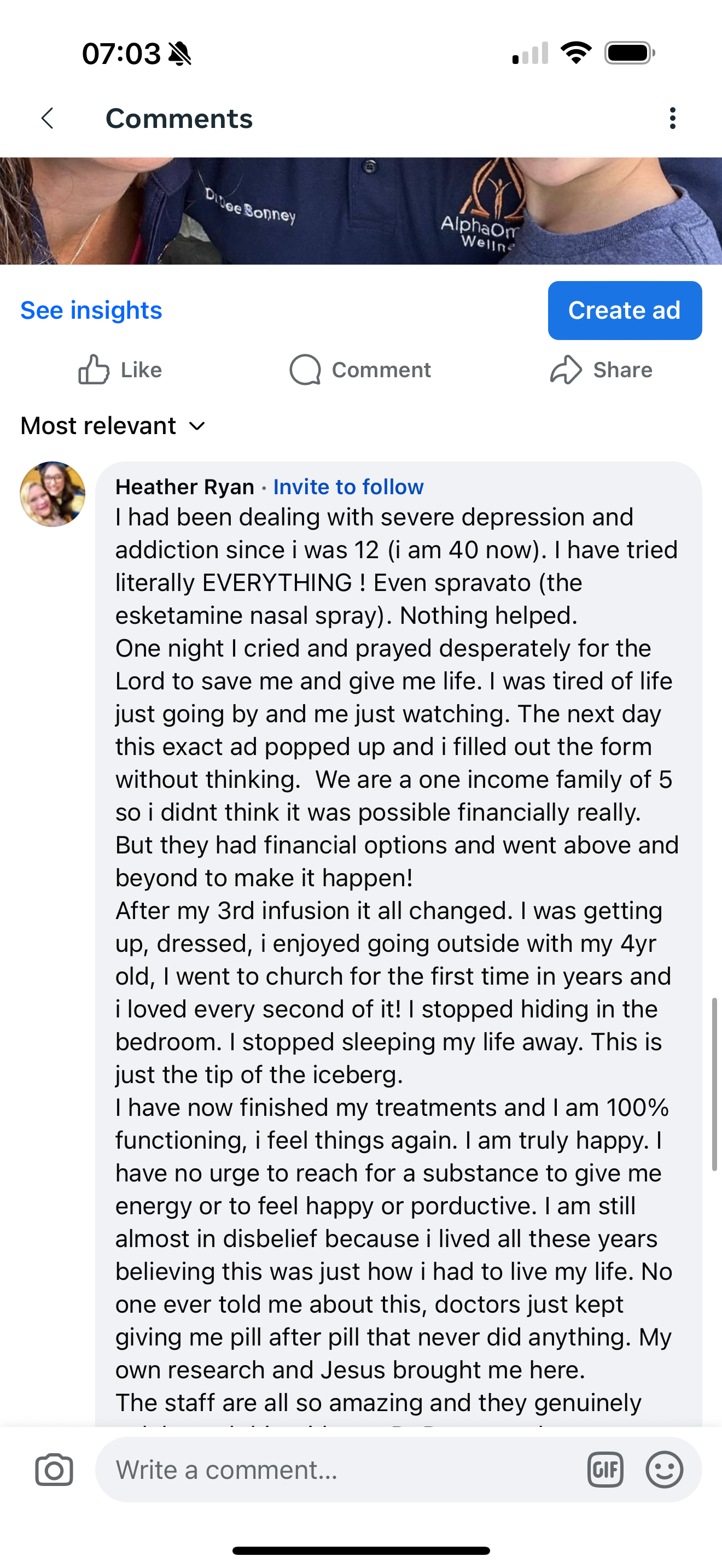
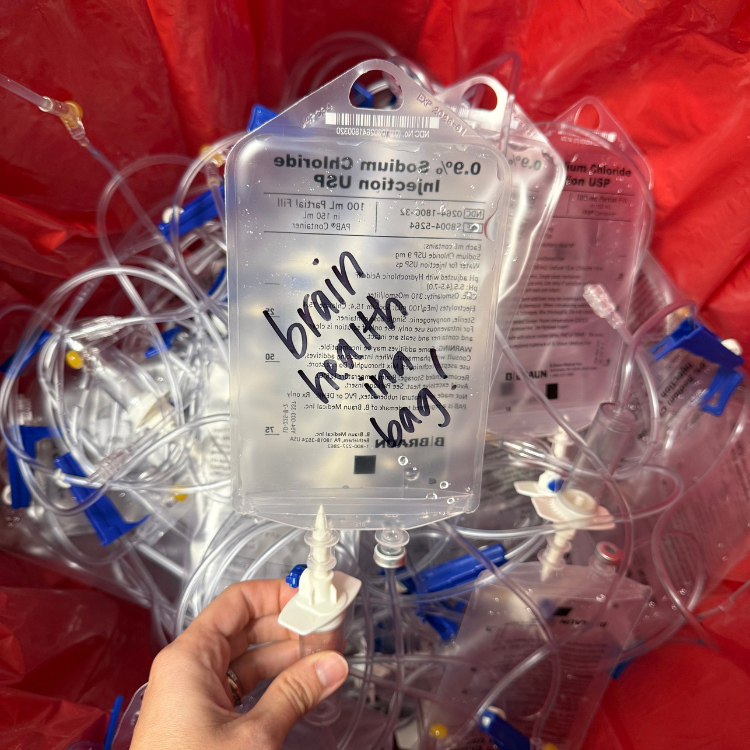
For those dealing with severe conditions, professional interventions like ketamine infusion therapy can offer relief. These treatments reduce inflammation and enhance brain health, providing a holistic approach to recovery from mental health issues.
“But When I Go Out My Friends Will All Have a Drink…” 
Navigating social settings where drinking is the norm can seem hard. Here are a few suggestions for maintaining your alcohol-free lifestyle without missing out on the fun:
- Choose Non-Alcoholic Alternatives: Many venues now offer a variety of delicious and complex mocktails. These beverages provide a fun and inclusive way to enjoy the social ritual of “having a drink” without the alcohol (but beware these often have a lot of hidden sugar, much like regular cocktails).
- Be Prepared with Responses: If you’re asked why you’re not drinking, simple explanations like “I’m focusing on my health” or more detailed explanations about your choice can help others understand your decision without feeling judged.
- And, if they judge… LET THEM… you are in charge of your health and your body, not them, so if you want to get healthy for you, GOOD FOR YOU!!! We are rooting for you.
- Propose New Traditions: Suggest non-alcoholic gatherings or activities that don’t center around drinking. This could be a group fitness class, a morning brunch, or a game night, which can be just as fun and fulfilling.
- Seek Support: Having a friend who also chooses not to drink can make adhering to your decision easier. Support each other in social settings and share your experiences and tips for staying alcohol-free.
Choosing to reduce or eliminate alcohol is not just about avoiding negative effects; it’s about embracing a healthier, clearer, and more vibrant life. Each step you take away from alcohol is a step towards greater health and happiness. And, unless alcohol is truly a problem for you, try a “dry month” first. That’s just 30 days alcohol free and see the benefits then decide if you want to add alcohol back in to your life or try for 60 days.